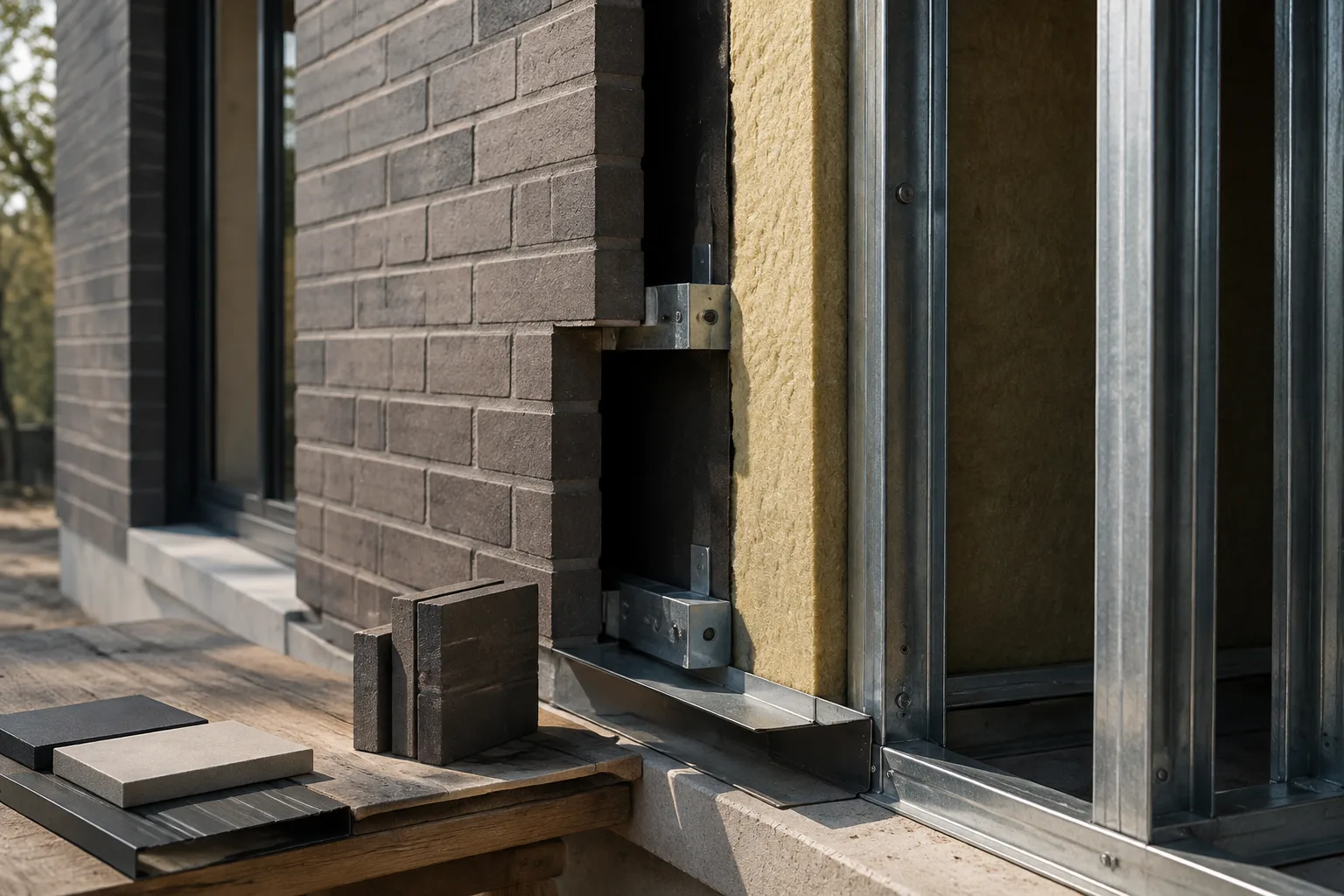
Building Materials & Systems
Clear explainers on building materials, assemblies, and the system-level choices that affect durability and maintainability.
Building material systems combine products, connections and installation details to perform a function together. Evaluating a wall, roof, floor or repair assembly therefore requires more than comparing isolated product data sheets.
This section helps owners and project teams ask system-level questions before procurement and installation. For a detailed sequence covering specifications, substitutions and handover, begin with the building material systems guide.
Define what the assembly must do
Write a short performance brief for the actual use. Identify exposure, adjoining construction, maintenance needs and the project requirements that must be satisfied. Avoid broad labels such as “premium” or “high performance” unless the relevant performance and evidence are stated.
An exterior enclosure and an interior finish may both include membranes or sealants, but their service conditions and acceptance criteria are not identical. Product similarity does not establish suitability for another assembly.
| Review area | Question for the project team | Information that helps |
|---|---|---|
| Intended function | What must the complete assembly achieve? | Project requirements and coordinated design |
| Interfaces | How does each layer connect to adjacent work? | Transition details and compatibility evidence |
| Installation | What conditions and sequence are required? | Current instructions and inspection planning |
| Change control | What else changes if one component changes? | Substitution comparison and authorized decision |
| Service life | How will the owner inspect, maintain or replace it? | Access provisions and handover information |
Review the proposed assembly against its approved specification and acceptance requirements.
Look closely at interfaces
A product may have useful performance evidence while its connection to another material remains unresolved. Openings, penetrations, edges and changes of substrate often need information from more than one trade.
Ask who owns each transition detail and who verifies it before concealment. If a drawing says “by others,” identify the actual responsibility rather than leaving the interface outside every work package.
An illustrative window-opening review could involve the wall layers, opening preparation, window installation and perimeter details. Reviewing the window alone would not explain how the complete opening manages its intended functions. Coordinate the opening with the approved construction detail.
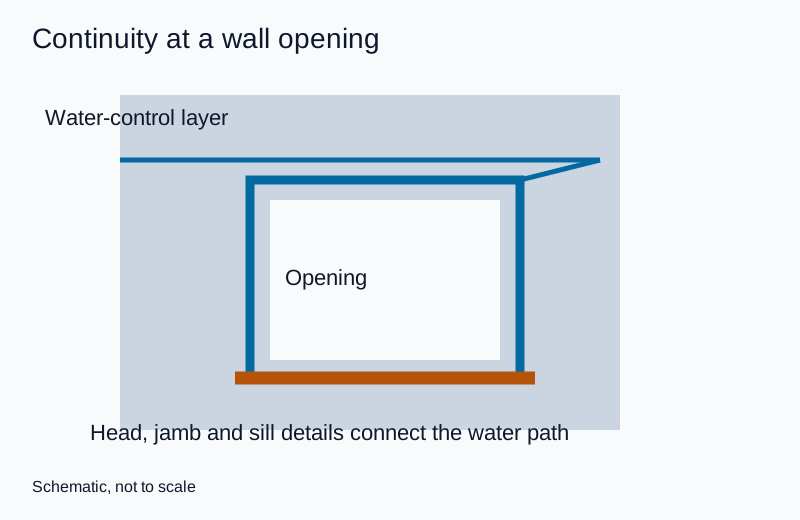
Do not merge different moisture-control functions
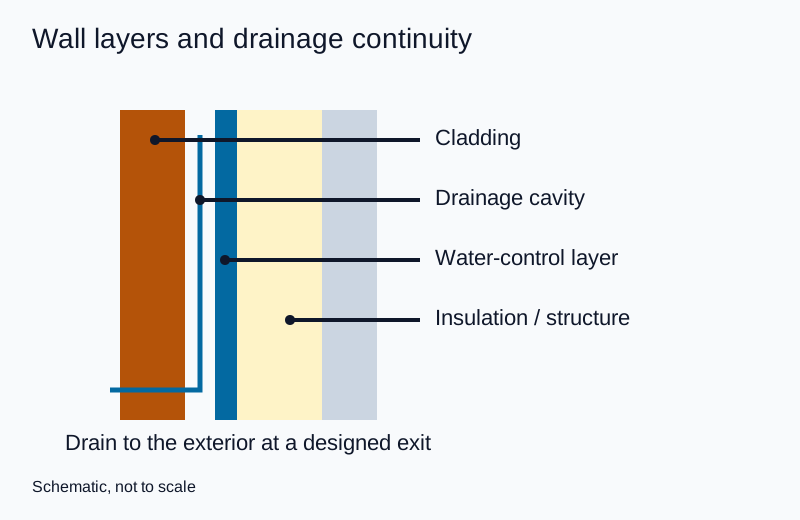
Air movement, liquid water and vapor diffusion are not the same mechanism. A layer’s role needs to be identified in the context of the assembly rather than inferred from a broad marketing description.
The U.S. Department of Energy building-science explainer on air and vapor barriers distinguishes air control from vapor control and notes the influence of climate and construction. Choose the position and permeability of each layer for the actual climate, assembly and drying direction.
When existing moisture damage is involved, begin with building restoration so that product selection does not conceal an unresolved source. A replacement finish cannot, by itself, demonstrate that the original problem has been corrected.
Treat substitutions as assembly changes
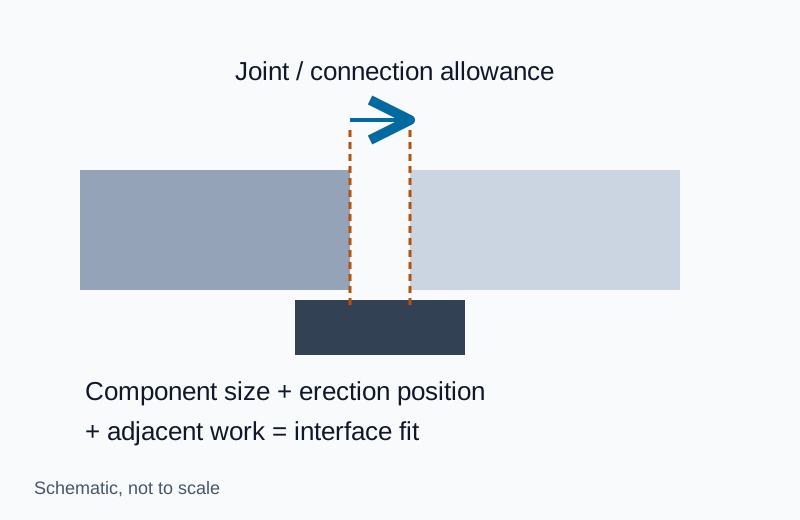
A proposed alternative should be compared against the actual requirements, not just the most favorable value on each data sheet. Ask about dimensions, accessories, adjacent products, installation limits, maintenance and relevant performance evidence.
Identify whether a substitution affects sequencing or another trade’s work. A change that seems limited to one purchased item can require a different transition, preparation method or approval. Record the authorized decision before procurement creates pressure to accept the product already on site.
Keep claims within the scope of their evidence. A test result for one configuration does not automatically establish performance for a modified configuration. Where fire resistance, structural performance or other safety-critical matters are involved, obtain the necessary project-specific professional review.
Plan installation checks before concealment
A material review is incomplete if nobody has considered the conditions under which the product will be installed. Identify access, substrate readiness, environmental limits and any required waiting or curing periods from the applicable instructions.
A mockup should answer a defined question. Appearance approval, installation coordination and performance verification serve different purposes. Record which purpose was addressed and which questions remain open.
Use the surface preparation hub when the next material depends on a prepared substrate. Use site management to connect inspection notice, work release and protection of completed work to the short-term plan.
Give the owner a usable system record
At handover, the owner needs to identify what was installed, where it belongs and what information is relevant to maintenance or replacement. A folder of unlabelled product sheets can be difficult to use when several variants were installed.
Link final product information to locations or assembly types and preserve approved changes. Include the applicable maintenance instructions and known limitations. Where records are digital, check that the owner can retrieve them without relying on an individual contractor’s account.
The smart construction hub explains export and information-ownership questions that should be settled before a platform is adopted.
Is choosing one manufacturer’s product family enough?
Not by itself. The actual configuration, substrate, interfaces and project requirements still need review. Identify the conditions covered by the manufacturer’s system information.
Does a warranty demonstrate suitability?
A warranty and technical suitability answer different questions. Review the proposed assembly against the project requirements and read the applicable warranty terms separately; do not infer design approval from the existence of a warranty.