Surface Preparation
Method-selection guides for cleaning, coating removal, substrate preparation, and contamination control.
Surface preparation means bringing a substrate to a defined condition for its next use. That might involve cleaning a retained finish, removing a coating or preparing a surface to receive a repair material. These are different objectives, so the same method is not automatically suitable for all three.
Compare proposed methods against the required surface condition. Establish equipment settings through the approved procedure and trial, and assess unknown coatings before disturbance.
Begin with the acceptance requirement
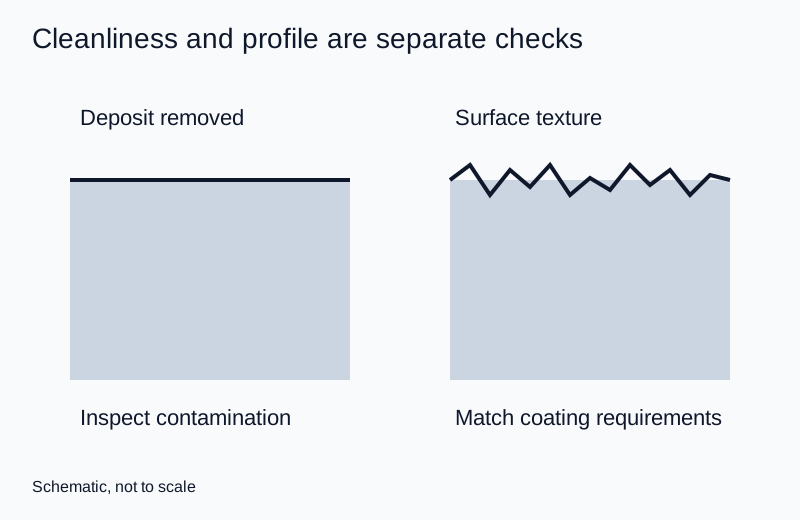
Before comparing equipment, ask what the completed surface must be ready for. A cleaner appearance does not establish a required surface profile, moisture condition or compatibility with the next product.
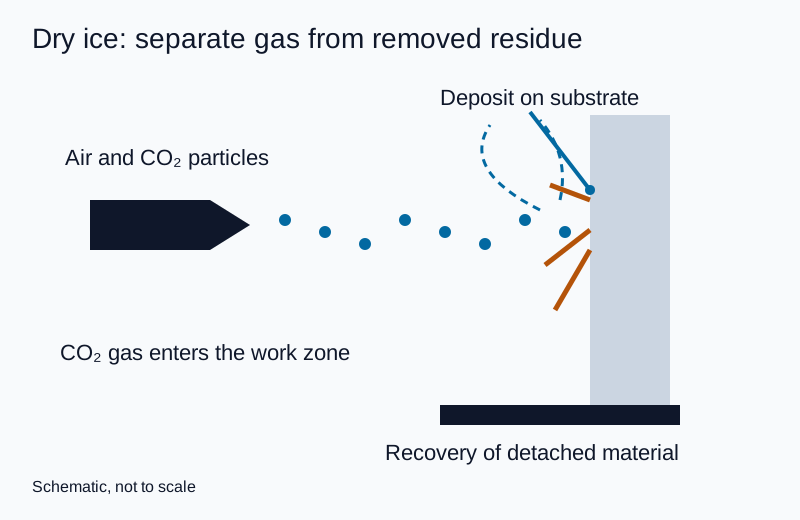
The surface preparation methods guide explains how to develop a method shortlist from the substrate, unwanted material and next operation. Use it as the broad starting point. For specific cleaning proposals, continue to dry ice blasting or wet ice blasting.
| Intended result | Question to resolve | Evidence to request |
|---|---|---|
| Clean and retain a finish | What change is acceptable on the original surface? | Representative trial and agreed appearance limits |
| Remove an existing coating | What is the coating and what must remain? | Assessment, removal boundary and substrate checks |
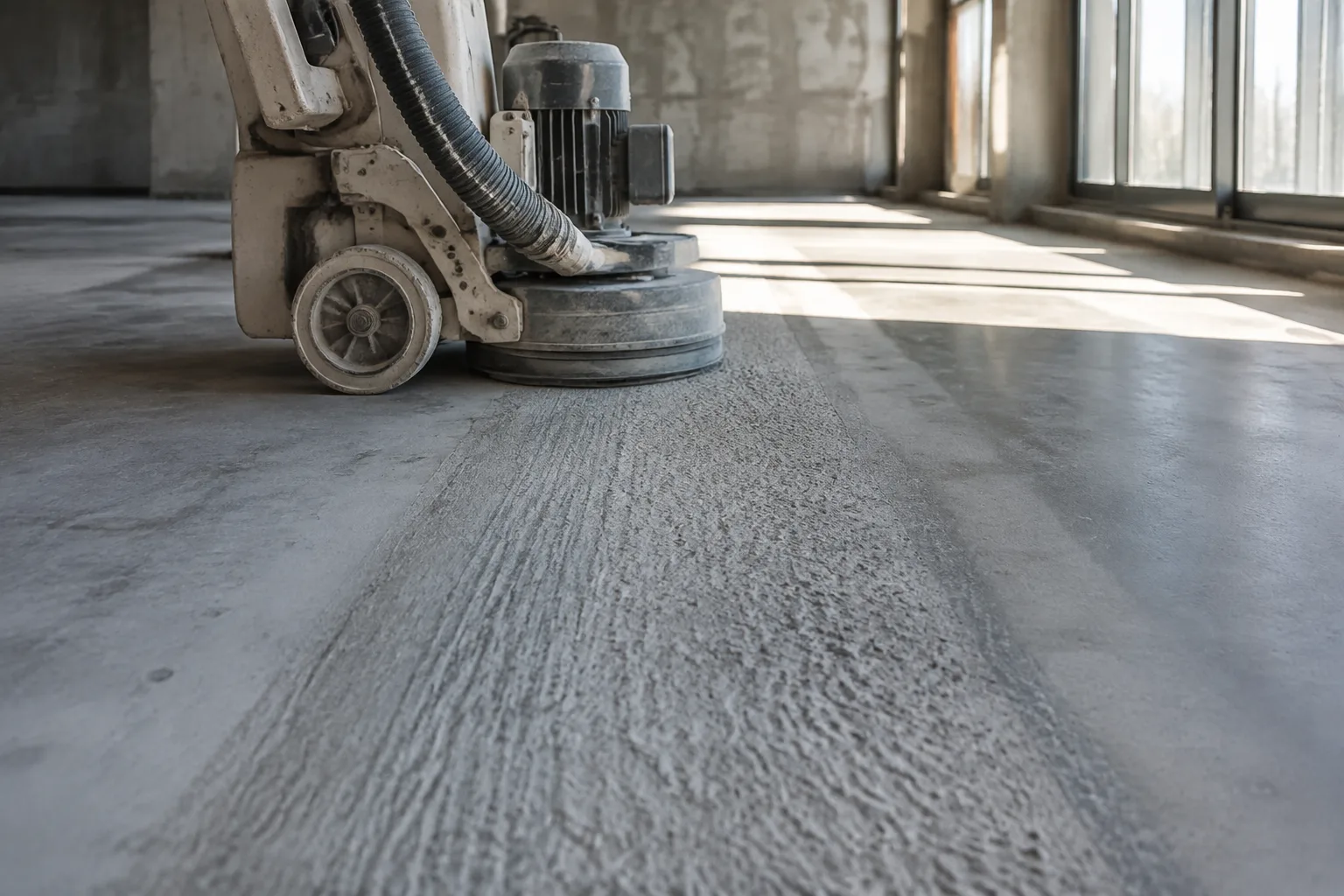
| Prepare concrete for repair | What condition does the repair system require? | Applicable preparation requirements and inspection record |
| Prepare for recoating | What does the selected coating require? | Current product instructions and project acceptance criteria |
The ICRI technical publications directory identifies concrete repair and surface-preparation resources. Select the relevant document and edition through the project team; this directory is not a substitute for the actual specification.
Understand the trade-off behind a method name
A process name describes only part of the work. Ask what media or water is introduced, what residue is removed, what remains for collection and which nearby materials could be affected. Consider access, utilities, protection and the next construction activity.
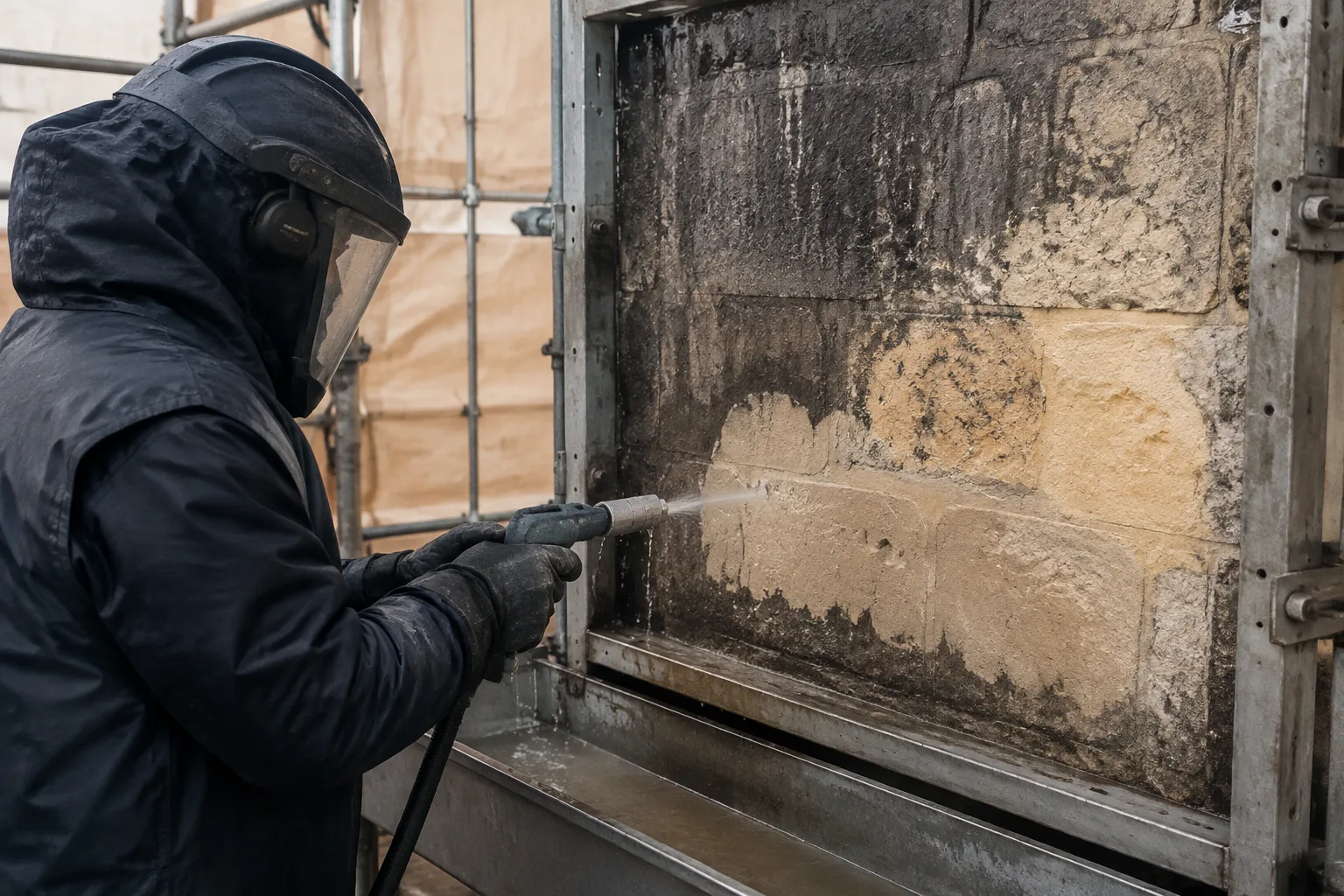
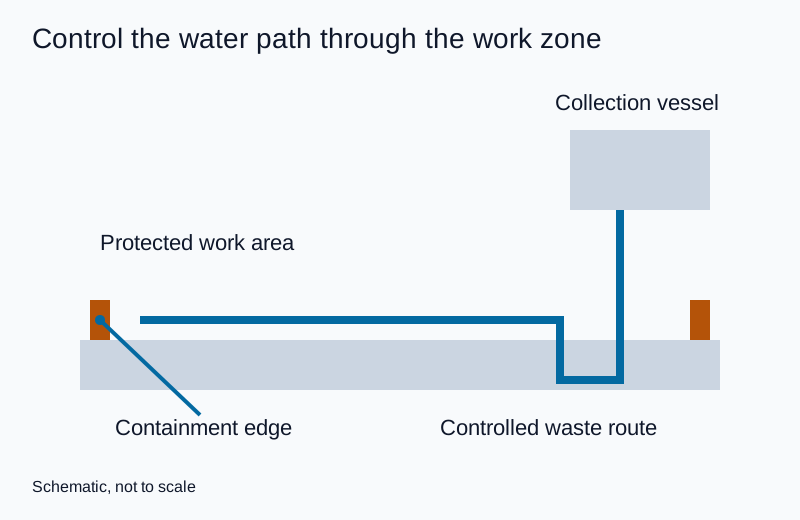
Dry ice blasting and wet ice blasting should not be treated as interchangeable labels. The dedicated guides explain their different gas, water and residue-recovery requirements. Avoid assuming that a process described as non-abrasive is harmless to every finish, or that a disappearing blasting medium makes removed contamination disappear.
Where the substrate or coating is unknown, resolve the assessment question before selecting a removal procedure. Hazardous-material and worker-protection requirements belong with the responsible specialists and applicable project controls.
Make a trial representative
Choose a trial that addresses an actual uncertainty. An easy, open surface may demonstrate equipment operation while saying little about a fragile edge, a difficult recess or a heavily affected area. Record why the trial location was selected and which conditions it represents.
Agree on the review criteria before treatment. Include the original condition, intended change, unacceptable damage and any further checks needed for the next product or repair. A photograph should have enough location and lighting context to make the comparison understandable.
If the trial fails, record the finding and revise the proposal. Do not quietly expand production on the assumption that a larger area will perform better. A second trial may be appropriate, but changes to the method need a clear review basis.
Include the work around the nozzle
A meaningful scope includes setup, protection, access, isolation where applicable, collection, cleanup and verification. These activities may determine whether the method is practical in an occupied or constrained location.
Ask who is responsible for adjoining finishes and how damage or unexpected conditions will be reported. Define the boundary between preparation and subsequent work. If one contractor prepares the substrate and another applies the finish, both need an agreed handoff condition.
Our site management hub explains how to make that release visible in the work plan. The building materials hub addresses compatibility and installation requirements once preparation is complete.
Compare whole scopes, not headline production rates
A quoted area per hour may exclude setup, protection, difficult details, collection or repeat work. Request the assumptions behind it. Avoid treating a supplier demonstration as a forecast for every surface on a project.
Compare what each proposal includes and what remains uncertain. An apparently lower price can depend on an assumed substrate condition that has not been confirmed. A bounded trial or additional investigation may make the comparison more reliable than asking each bidder to reduce the same uncertain unit rate.
Document the required endpoint and the verification responsibility in the scope. Otherwise a disagreement about “clean enough” may emerge only after the crew has demobilized.
Is a visibly clean surface ready for coating?
Not necessarily. The applicable coating requirements may include conditions that visual inspection alone cannot establish. Obtain the current instructions and project-specific acceptance criteria.
Which method is best for restoration?
There is no universal method. Read the restoration hub to establish the condition and retention objective first, then compare methods against the substrate and required outcome.