Smoke and Soot Cleaning: Surface Methods, Odor Control and Verification
Compare smoke and soot cleaning approaches by surface, residue and preservation needs. Plan cleaning trials, air treatment, contents handling and verification.
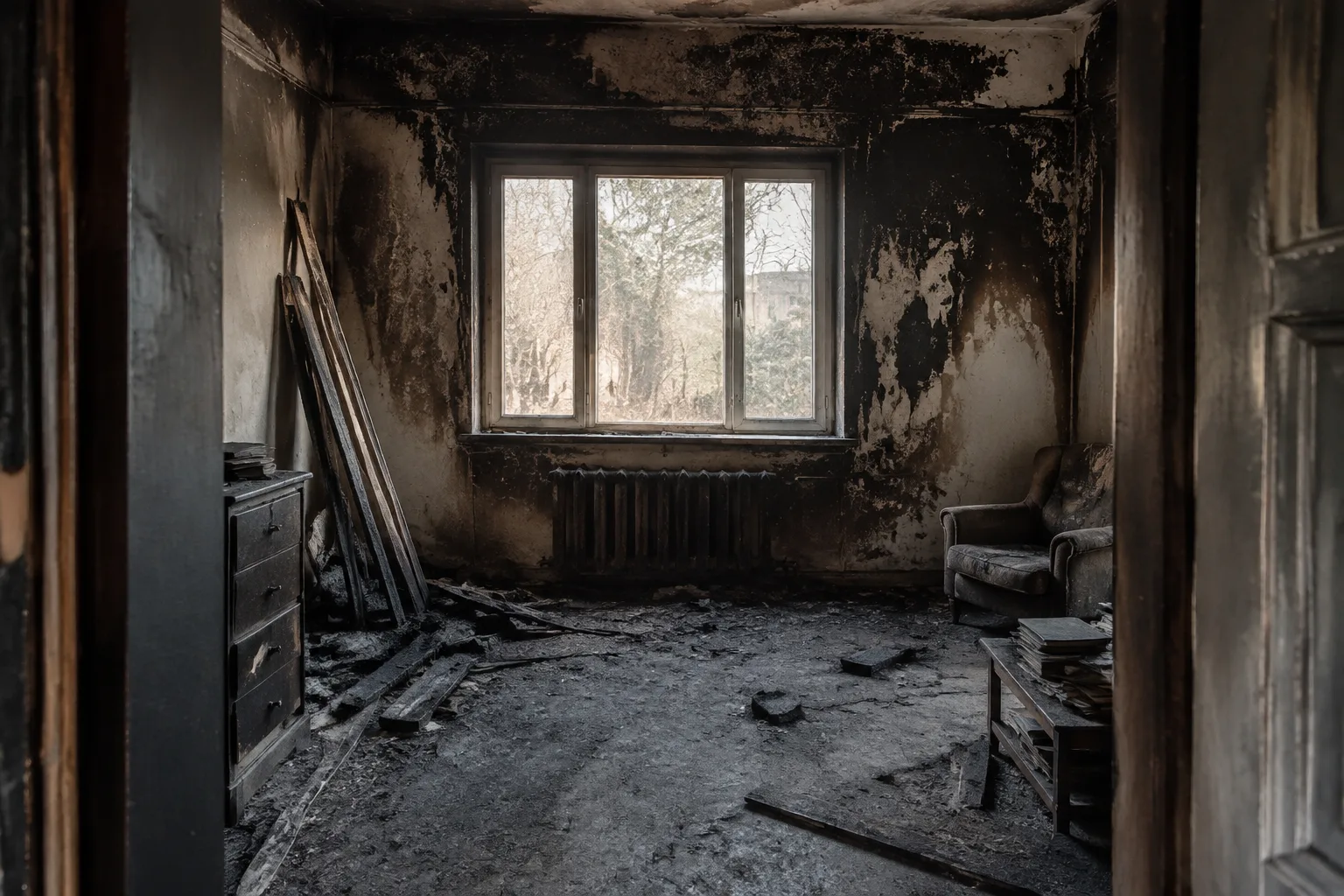
Smoke and soot cleaning should remove unwanted residue without causing unacceptable damage to the material underneath. It also needs to prevent contamination from being moved into already cleaned areas. A room that smells better is not necessarily a room whose surfaces, contents and building systems have been adequately assessed.
This guide helps owners and project managers compare professional cleaning proposals. It covers scope, surface differences, representative trials and acceptance records. If access has not been authorized, stay out and follow emergency officials’ instructions. Start with the broader fire damage restoration framework when structural damage, utilities or occupancy remain unresolved.
Quick answer: how should smoke and soot cleaning be planned?
Identify the affected materials and the purpose of cleaning before choosing products or equipment. Separate deposited residue, airborne particles and odor concerns. Define a suitable endpoint for each, test the proposed surface treatment in a controlled representative area, and record the result before expanding the work.
Cleaning is only one part of restoration. It does not establish structural capacity, electrical safety or permission to occupy. Where hazardous material, sensitive contents or inaccessible contamination is suspected, obtain an appropriate specialist assessment rather than relying on a general cleaning demonstration.
Smoke residue is not one uniform material
Do not assume that every dark deposit will respond to the same treatment. Record what is known about the event and what the assessment team actually observes. Avoid turning informal descriptions such as “dry soot” or “oily soot” into a laboratory identification.
The Canadian Conservation Institute’s guidance on fire describes differences in soot behavior and the difficulty of removing deposits from porous or highly textured objects. It also notes conservators’ observations that soot can become harder to remove over time. That supports prompt specialist advice, not rushed scrubbing before the surface and risks are understood.
For planning, distinguish a removable deposit from a changed finish. A stain, blistered coating or damaged surface may remain after loose residue is removed. The contractor should explain whether the proposed endpoint is cleaning, cosmetic refinishing or replacement. Those are different scopes and should not be priced as if they deliver the same result.
Separate three tasks in the work scope
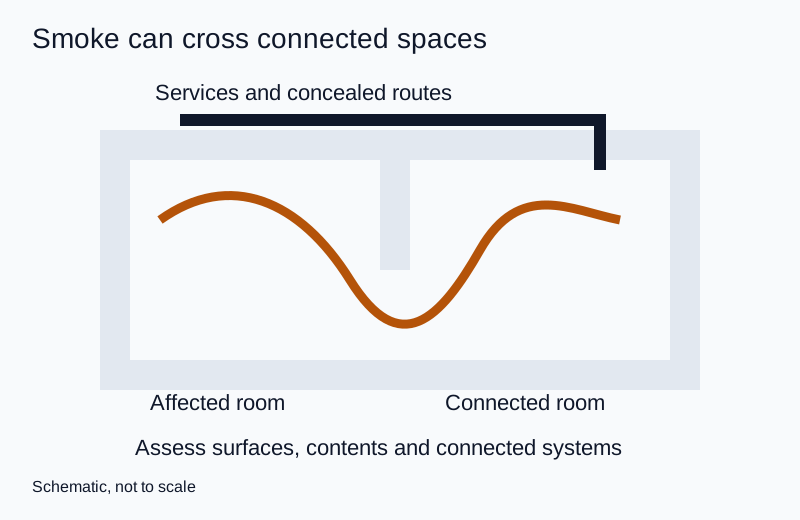
1. Remove deposits from surfaces
This includes identified building finishes and contents within the agreed boundary. Specify what will be cleaned, what will be protected and what is excluded. A quotation saying “clean all affected areas” is difficult to verify unless those areas are located and described.
A surface-cleaning record should identify the method used, any remaining visible change and whether further treatment is proposed. It should not describe an uninspected cavity as clean.
2. Manage airborne particles
Air treatment can support a cleaning project, but it does not physically clean every surface. The EPA overview of home air cleaners and filters explains that filtration supplements source control and ventilation and cannot remove all pollutants. A running air cleaner is therefore not evidence that deposited residue has been removed.
Ask what the proposed equipment is intended to capture, where it will operate and how it will be maintained. Equipment selection for a restoration work area belongs in the project-specific control plan; a consumer product description does not establish adequate worker protection.
3. Investigate and address odor concerns
Record the location and circumstances of reported odors, but do not treat odor as a chemical analysis. Ask how the investigation connects the complaint with the proposed treatment.
An odor-control proposal should state what it is expected to accomplish and how the result will be evaluated. It should not promise that a fragrance, a timer or a favorable smell test proves that every relevant contaminant is absent.
Compare treatment by surface, not just by room
A single room can contain washable finishes, absorbent materials, sensitive electronics and objects that should not receive the same treatment. Use a material schedule to avoid applying one convenient method everywhere.
| Surface or item | Question before treatment | What the trial or assessment must address |
|---|---|---|
| Painted walls and ceilings | Is the existing finish to be retained or replaced? | Residue removal versus color, gloss or coating damage |
| Finished wood | Which coating and decorative details must remain? | Finish compatibility and unwanted texture change |
| Unfinished or textured material | Can the required result be reached without excessive removal? | Residue in recesses and acceptable material loss |
| Glass, tile and metal items | Are there coatings, joints or sensitive adjacent components? | Complete item compatibility, not just the main face |
| Textiles and upholstery | Is specialist contents treatment or replacement appropriate? | Treatment feasibility and agreed return condition |
| Electronics and equipment | Who can assess the item for safe service? | Qualified evaluation beyond a clean exterior |
| Art, archives and historic objects | Would ordinary cleaning alter significant material? | Conservator-led priorities and treatment limits |
Use these questions to compare the proposed treatments. The actual material, condition and intended use govern the decision.
Finished and unfinished wood are different cases
A cleaning trial that preserves a varnished cabinet does not establish a suitable method for unfinished framing. Conversely, a process accepted on concealed construction timber may create unacceptable changes on decorative woodwork.
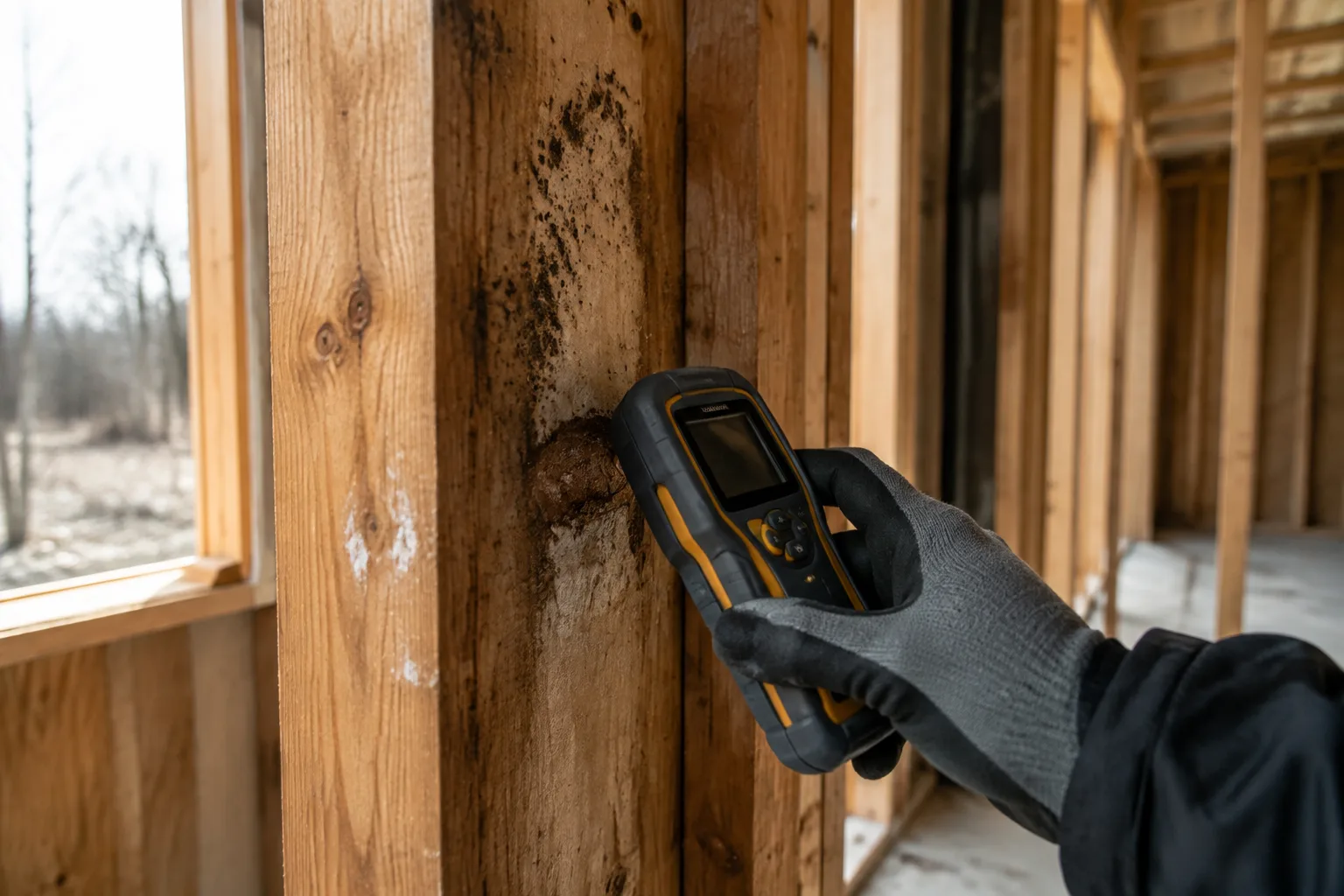
Ask the team to identify the retained finish and how it will distinguish deposit removal from removal of the original surface. If water damage or suspected mold is also involved, keep that assessment separate; see mold on wood for the related planning questions.
Sensitive objects need a separate route
Do not include artwork, documents or fragile heirlooms in a bulk building-cleaning instruction. Give each relevant item an identifier and record who is responsible for its assessment and treatment.
The U.S. National Archives’ object-recovery guidance discusses initial soot removal using HEPA-filtered vacuum equipment and warns against dragging the wand on an object’s surface because of abrasion and smearing. The guidance applies to object conservation. Fragile or uncertain materials need a conservator’s judgment.
What to ask about common cleaning proposals
Dry particle recovery
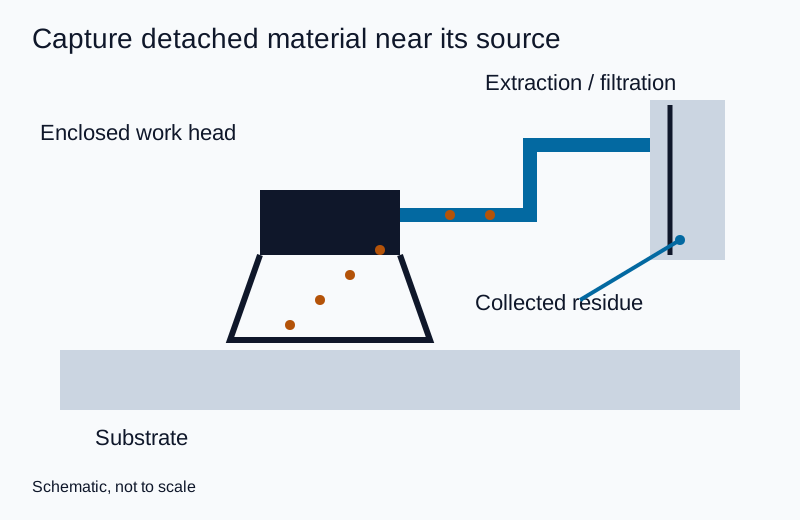
Ask how the proposed recovery system captures the residue and prevents it from being redistributed. “Vacuuming included” is incomplete without explaining equipment suitability, treatment of delicate surfaces and handling of collected material.
For wildfire ash indoors, EPA guidance on wildfire-related indoor air quality recommends methods that avoid re-suspending ash, including HEPA-type vacuuming where vacuuming is chosen. It also discusses preventing ash from being tracked elsewhere. That guidance is specific to its wildfire context; it does not replace assessment of a structure fire involving unknown materials.
Do not use compressed air or dry sweeping as a casual shortcut for moving residue out of sight. Have the qualified team define a controlled recovery method appropriate to the actual hazards.
Wet cleaning and chemical treatment
Ask for the selected product, its intended use on the material, and the process for managing remaining cleaning agents and moisture. A stronger chemical is not automatically a better choice for preserving a finish.
The trial should include the complete proposed treatment, not just application of a cleaner. Assess the surface after the specified finishing or drying stage, since the appearance during treatment may not be the final appearance. Do not improvise cleaning mixtures or use a generic dilution recipe in place of product instructions and professional assessment.
Blasting or abrasive treatment
Blasting may be proposed for some accessible substrates, but the method must demonstrate the required result without unacceptable material loss or secondary contamination. Ask how adjacent surfaces, collected residue and follow-on repairs are handled.
Our guides to dry ice blasting, wet ice blasting and surface preparation methods explain why these processes are not interchangeable. The disappearance of a blasting medium does not mean the detached contamination has disappeared.
Build a representative cleaning trial
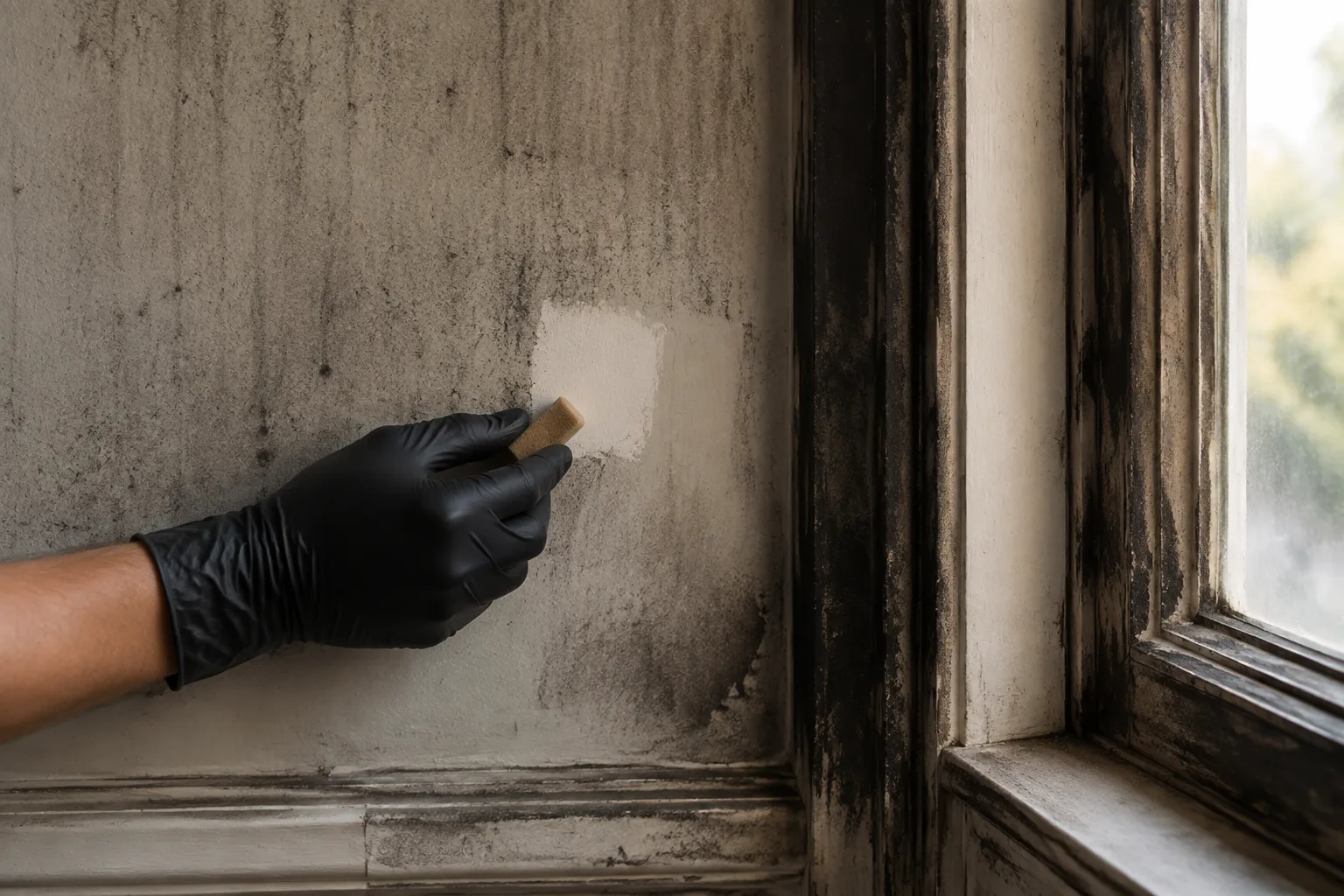
Agree on the trial area, purpose and acceptance criteria before treatment. Include a representative finish and degree of deposition. Where materials vary, several small trials may be more informative than one large demonstration.
Record the following:
- Starting condition: location, material, finish, visible deposit and pre-existing damage.
- Proposed result: what must be removed, what must remain and which changes are unacceptable.
- Complete treatment: equipment or product identification, recovery and any finishing stage.
- Observed outcome: comparable photographs, specified checks and remaining concerns.
- Decision: approved scope, modifications, rejection or specialist referral, with the reviewer identified.
An inconspicuous test location can reduce cosmetic consequences, but it must still represent the proposed work. Do not use a smooth hidden panel to justify treatment of a delicate carved face.
A passed trial also needs a change rule. If production reveals another finish, a different deposit or an inaccessible area, pause that portion and reassess. The original approval should not expand automatically to a materially different condition.
HVAC and odor equipment need their own scope
Do not assume that changing a filter addresses every part of a potentially affected air-handling system. Ask a qualified contractor what was inspected, what evidence supports the proposed work and which components remain outside the assessment.
The EPA guidance on residential duct cleaning does not recommend routine duct cleaning as a blanket practice and highlights uncertainty around claimed benefits. Its general advice is not a post-fire clearance procedure. A fire-related proposal needs a condition-specific basis, not a standard upsell or an automatic dismissal of possible system involvement.
Treat ozone claims cautiously. EPA’s ozone-generator guidance explains that ozone can harm health and that federal agencies have not approved these devices for use in occupied spaces. Do not use an ozone generator in an occupied area or infer safe re-entry from the absence of odor. Any specialist treatment proposal requires appropriate controls and verification.
Define acceptance before paying for repeated cleaning
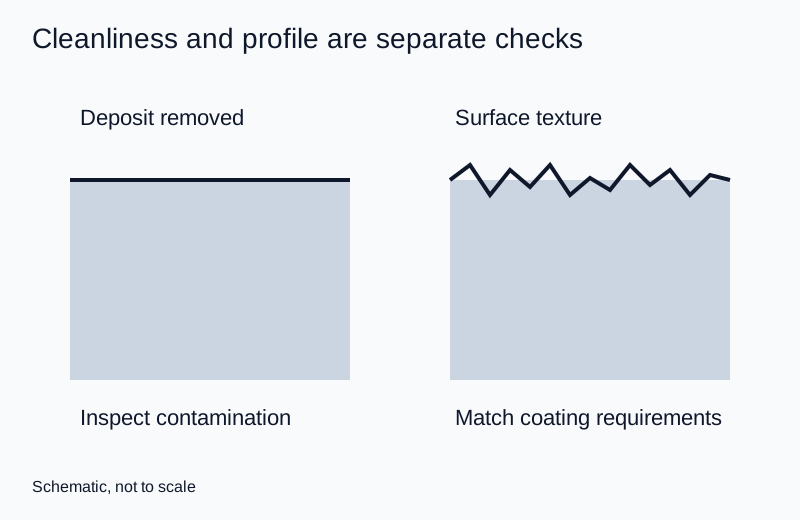
Use separate acceptance statements for appearance, treatment completion and any required contamination assessment. A cosmetic target is useful when that is the task, but it should not be relabeled as a comprehensive safety finding.
| Evidence | What it can help establish | What it does not establish alone |
|---|---|---|
| Comparable photographs | Visible surface change | Chemical identity or complete contaminant removal |
| Treatment record | What work was performed and where | That the chosen treatment was sufficient |
| Material-specific inspection | Whether agreed finish requirements were met | Structural or equipment safety outside its scope |
| Professionally designed testing, when warranted | Findings for the tested question and locations | Universal absence of contamination everywhere |
| Final scope reconciliation | Completed areas and unresolved exclusions | Permission to occupy without applicable approvals |
If testing is proposed, ask which question it answers, why the locations were selected and how results will affect the decision. Avoid buying a generic “air test” with no stated interpretation or response plan.
Cost and sequencing questions for contractors
A useful estimate separates building surfaces, contents, access equipment, protection, specialist items, waste handling and final verification. Ask whether repeat treatment, refinishing and off-site storage are included or additional.
Sequence the work to protect accepted areas. Identify the route for moving dirty contents, the point at which items are considered ready to return and responsibility for recleaning after other trades. A room completed early should not become an unprotected transit route for later removal work.
Compare the cost of delivering the agreed condition, not just hours of equipment operation. Include access, finish sensitivity, exclusions and the required endpoint in the estimate.
Frequently asked questions
Can soot simply be painted over?
Painting is not the same as removing contamination. Before a coating or sealer is proposed, the responsible team should establish substrate suitability, preparation and the purpose of the finish. Do not use new paint to conceal an unresolved assessment question.
Does no smoke smell mean the room is clean?
Not by itself. Odor is only one observation. Check the agreed surface work, contents decisions, system assessments and any required verification before treating the scope as complete.
Is every smoke-affected item a total loss?
No universal rule applies. The material, condition, intended use and feasibility of appropriate treatment matter. Keep uncertain items in an assessment category until there is a documented basis for retention or replacement.
Can a cleaning contractor approve reoccupancy?
A cleaning completion statement covers its stated scope. Building, utility and occupancy decisions may require other professionals or authorities. Confirm who holds each responsibility for the actual project.
Explore the related topic and technical references.